June 19, 2019
Whether it’s a cute, mousy squeak or a loud and heavy explosion, everyone has their own style of sneezing. But should we be concerned about the way our sneeze sounds? What could our sneeze tell us about our health?
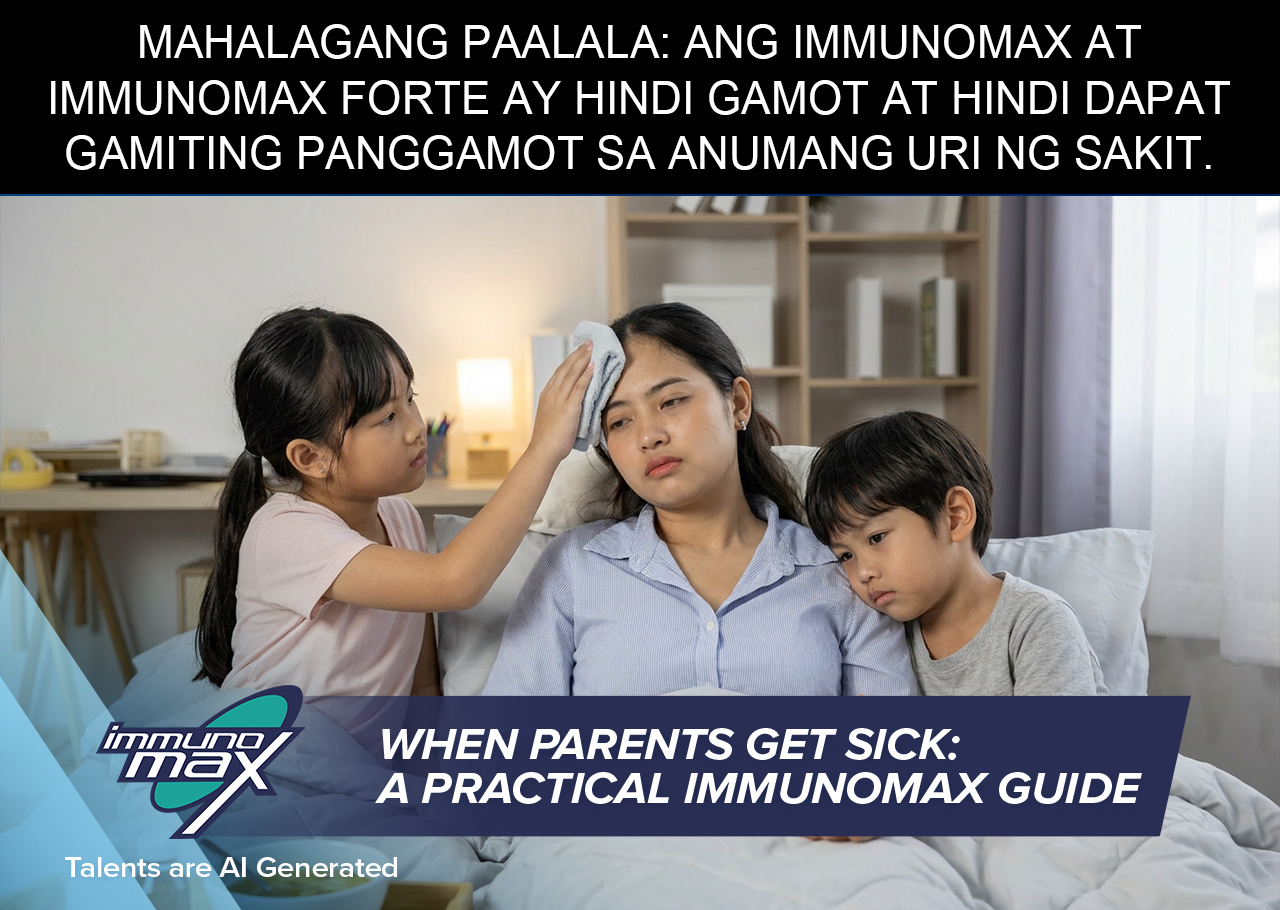
Here are some tips on how to be a responsible parent even when you’re feeling under the weather
No parent wants to get sick — especially when there are meals to prepare, kids to care for, and responsibilities waiting at home. But the truth is, everyone eventually gets sick, even the busiest moms and dads.
Whether it’s a cough, colds, flu, or simple exhaustion, getting sick can make parenting feel even more challenging. The good news is that with a few practical steps, you can help protect your family while still taking care of yourself. Here are some simple tips that may help the whole household when a parent is feeling under the weather.
Take Immediate Action
When you start feeling symptoms, act early to help reduce the spread of illness at home. Simple habits can already make a big difference:
Power Through the Basics
When you’re sick, conserving energy matters. Instead of trying to maintain your normal routine, focus on essentials and simplify tasks where possible.
Prepare easy but nutritious meals like soup, fruits, eggs, oatmeal, or simple rice meals. Keep hydration a priority for both you and your children. You can also switch to low-effort activities that still keep kids occupied, such as:
Remember: resting is also part of recovery.
Make It a Teaching Moment
If your children are old enough, explain the situation calmly and honestly.
Teach them why handwashing, covering coughs, and giving someone space when they’re sick are important habits. This can help children better understand hygiene and empathy at an early age. You may also need to explain why hugs, kisses, or close contact may need to be limited temporarily until you recover.
Don’t Be Afraid to Ask for Help
Parenting while sick can be overwhelming, especially if symptoms worsen. If possible, call for backup from trusted family members, friends, or babysitters who can help with meals, errands, or childcare while you recover.
Accepting help doesn’t make you less responsible — it helps ensure both you and your children are properly cared for.
Practice Preventive Habits Daily
Good health habits are easier to maintain than recovery from illness.
Proper diet, exercise, hydration, and sleep all help support immune function for both adults and children. Some families also choose to include immunity supplements like Vitamin C as part of their daily wellness routine.
Food supplements with CM-Glucan, such as Immunomax Syrup for Kids and Immunomax Forte for Adults, were made to help support immune balance as part of a healthy lifestyle (with proper diet and exercise).
Parents don’t have to be perfect — they just have to be prepared. Taking care of yourself is also part of taking care of your family.
MAHALAGANG PAALALA: Ang Immunomax at Immunomax Forte ay hindi gamot at hindi dapat gamiting panggamot sa anumang uri ng sakit.
ASC Reference No. I0029N060526I
June 19, 2019
Whether it’s a cute, mousy squeak or a loud and heavy explosion, everyone has their own style of sneezing. But should we be concerned about the way our sneeze sounds? What could our sneeze tell us about our health?
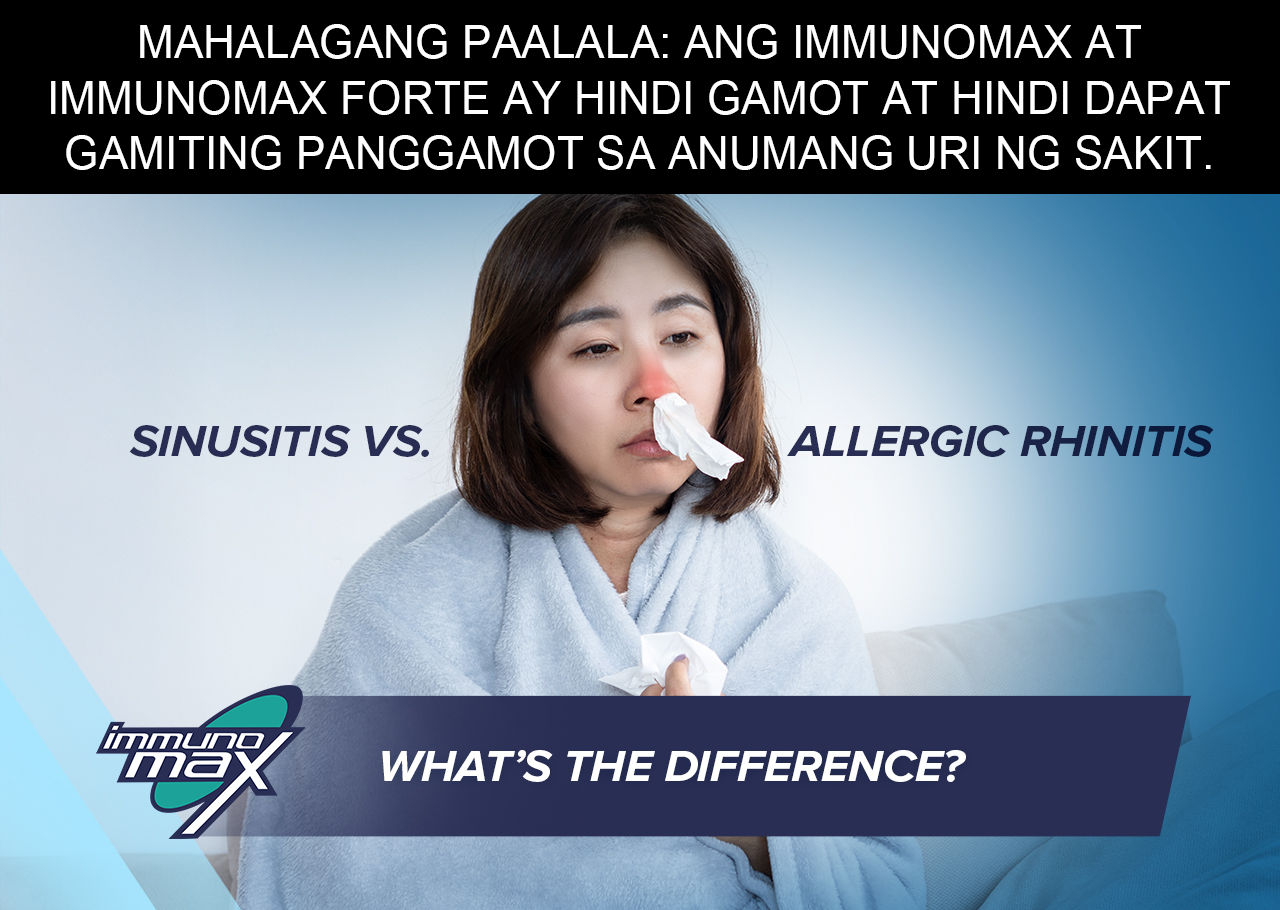
Sinusitis vs. Allergic Rhinitis – What’s the Difference?
June 25, 2026
Knowing the cause of your symptoms can help you choose the right care and the right immunity supplement Sneezing, congestion, runny nose, facial pressure–many people experience these symptoms and assume they’re all caused by the same condition. But sometimes, what seems like a simple allergy could actually be sinusitis. Because the symptoms can overlap, allergic rhinitis and sinusitis are often confused with each other. Knowing the difference can help you better manage symptoms, avoid triggers, and choose the right treatment and preventive habits.