Prevention is the solution. Equip your immune system with CM-glucan ImmunoMax
Published: 19:35 PM, September 04, 2016
Share:
In the Philippines, the ber months usually signal the start of allergy season. This is usually caused by changes in the weather, along with the increase of allergens in the environment. If you already suffer from allergic rhinitis, chances are you already have a regimen for alleviating daily symptoms. But when allergens are more prevalent, you could be more prone to attacks. We found 5 quick tips that can help you survive the coming months, and surprisingly, prevention is one of them.
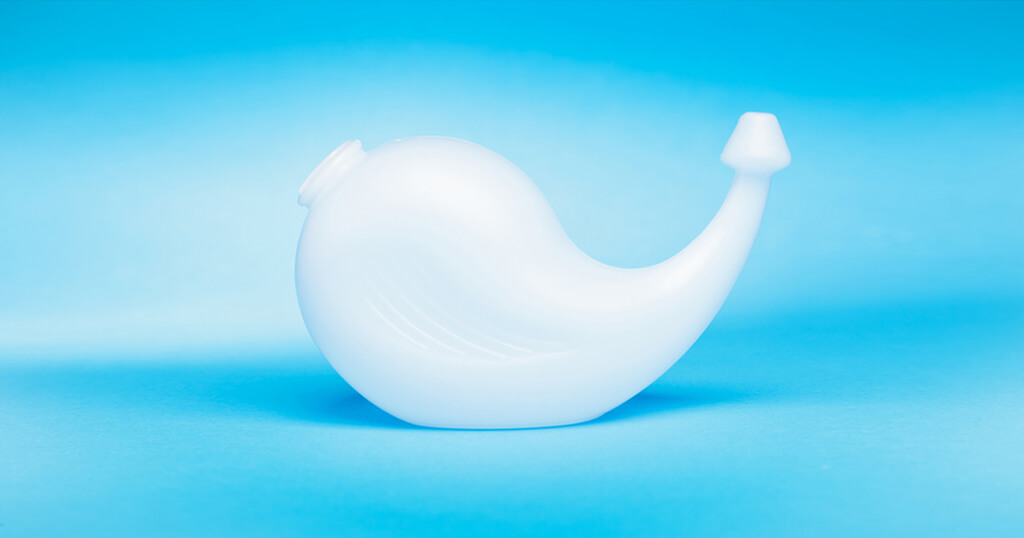
Neti Pot
Before you even experience symptoms, a refreshing saline nasal rinse might help in riding your nasal membranes with allergens that could cause irritation.
When your immune system overreacts to harmless substances, your airways tighten and produce mucus. This tiggers the wheezing and coughing. Find out why an immunomodulator helps prevent these attacks.
Find out how CM-Glucan helps your immune system over Standard Beta-Glucan (with proper diet and exercise)
Your immune system works by protecting your body from harmful bacteria, viruses, and other threats. But like any system in the body, it sometimes needs support to function at its best. Certain health supplements can help regulate immune activity, these are commonly called immunomodulators.